
Words Matter: Designing Organizational Culture one Word at a Time
Languages around the globe are vast and complex, and many stories have been created throughout time to explain their origins. A story from the Book of Genesis explains how at one time all people spoke the same language. Then, driven by pride, the people banded together to build a great tower that would reach the heavens, but God soon undermined their efforts. By confounding their speech, people of Babel no longer understood one another, and this was the origin of languages. African legends offer their own version of this story in which a devastating famine befell humankind, attacking their minds and consuming them with madness. In the aftermath, one language had given way too many, each village isolated from the others now speaking its own language. From Africa to Asia to Australia, a common theme exists in these legends about language: an original unity is destroyed leaving humanity disconnected by many different languages (Bernier, 2022).
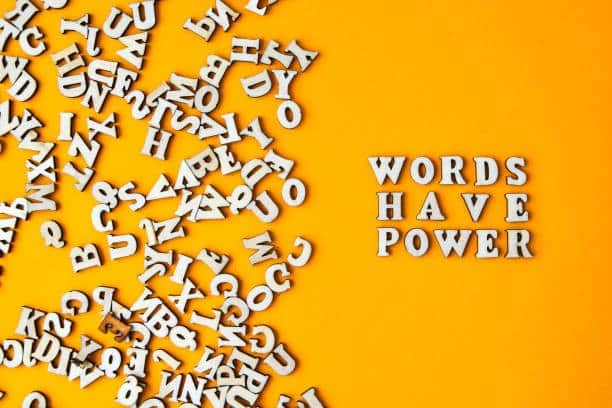
The words we choose and the meanings we attach to them influence our decisions, beliefs, and well-being, and how others perceive us. As the building blocks for relationships, the words we select and how we combine them are imperative to reaching shared understanding. Language has the power to connect or separate us and its effective use requires thoughtful intention. Modern policing practices strive to build relationships, bridge gaps, and promote positive resolutions. In this context, the language we use shapes behavior, and behavior defines culture. This is why words matter. Their meaning and use are further directly tied to our organizational culture.
Even simple changes in language can help transform culture. For example, if you are a new officer and you’re told that your job is “law enforcement,” you would most likely go out and look for violators or some other means to “enforce the law.” But if you are a new officer and are told that your job is policing and keeping people safe and are further told that police exist to “protect the vulnerable from harm,” you’d set out each shift to be a protector, not an enforcer. Enforcing the law is only part of what we do, and it can be a tool to serve our purpose, but policing involves so much more. Words matter.
As in the stories that attempt to explain its origins, language is a link that connects people to one another. Whether inside our organizations or in our community interactions, choosing words that best reflect our purpose and align with our values is how we build and continue to grow trust. In our own leadership we can begin to shift culture by modeling this for our staff. When we choose to speak from the heart – to be vulnerable and authentic – we humanize ourselves and by doing so we make way for our people to do the same. Taking off our own armor makes connection possible and transformation can only happen when hearts and minds are open.
Our words are also building blocks of communication, and communication is truly the foundation of any organizational culture. When leaders choose the words they use intentionally, they shape the culture of the department in significant ways. Words provide:
- Clarity and alignment-Helping to clarify the mission, vision, and values of the organization.
- Inspiration and Motivation-Leaders can motivate teams through their words fostering a sense of purpose and reaffirming commitment to the mission.
- Innovation-Leaders can inspire their teams providing safe and secure environments to foster growth and forward movement.
- Inclusivity and Belonging-Inclusive language when used by a leader shows individuals they are valued and respected and appreciated for the differences they may bring. For example, instead of using “policeman” use “police officer,” or instead of using “manpower” use “staffing.”
- Responsibility and Accountability-Clear communication about expectations and roles and responsibilities can help create a culture of accountability within the organization.
- Employee Engagement, Retention and Satisfaction-When employees feel heard and valued, they are more engaged and satisfied, which leads to longer retention. Communication that is continual and reinforced acknowledging an employee’s worth fosters a more positive work environment.
Communication, however, does not simply exist externally. The language we use and how we convey our thoughts to others is just as important as the words and conversation we have within our own minds. In our lives, we will communicate to one person more than anyone else, and that person is ourselves. Too often, we are hypercritical and tend to think negatively, so keep in mind that kindness, even in those routine conversations we have within our thoughts, is just as important as it is with those with whom we speak. For example, let’s say you are walking into a promotional setting – you’re nervous and believe everyone there is better qualified than you, so you begin diminishing your own worth and value. This can trigger stress in your body which can make the nerves and anxiety much worse. However, if you frame the promotional process as an exciting and challenging opportunity, you will less likely slip into this negative reinforcement loop and your behavior becomes more empowered, which itself feeds the confidence (Clower, 2019). Words have a tremendous amount of power as they can build others (and ourselves) up or tear us down within an instance.
Language and words also reinforce culture norms and core values. By consistently using language that reflects the desired culture (a culture by design), leaders continue to reinforce the shared values. In essence, words are not just tools for communication, they are powerful instruments for shaping organizational culture. Leaders who recognize the impact of their words can cultivate a culture that fosters collaboration, innovation, inclusivity, and ultimately success. Being mindful of our language and the words we choose with our teams sets the tone and the direction for the organization. The way we speak to our teammates, our stakeholders, community members, or whomever it may be either builds or deteriorates our organizational culture. What’s the lesson here? Be intentional. Words do matter and have a lasting effect.
Let’s look at this example where the words and tone used had a negative effect on the team culture, productivity, and individual value.
As a new police officer, I used to enjoy my job. However, things changed on the days when a specific sergeant supervised our patrol team. His behavior towards me and my colleagues was terrible. He spoke to us in a condescending manner, provided no inspiration, and made us feel like we were not valued as individuals. His communication style was always very aggressive and commanding, regardless of the situation. This resulted in a toxic work environment for our team. When we left his shift briefings and went out to serve the community, we found it challenging to provide our best service because of the negative way our leader made us feel. This was mainly due to the language and communication style he used. It’s clear that the words we use can have a significant impact on the people around us.
Policing is a public service, its very foundation based on an oath to which we swear to honor. To create a culture by design takes a conscious choice, so choose your words carefully. Remember, even small changes can have a lasting impact.
References:
Bernier, A. (2022). The origin of languages: The tower of babel and other stories. Babbel Magazine. Retrieved February 2024 https://www.babbel.com/en/magazine/origin-of-languages
Clower, W. (2019). Why words matter. Speaking of corporate culture. LinkedIn. Retrieved February 2024. https://www.linkedin.com/pulse/why-words-matter-speaking-corporate-culture-will-clower/