
The Chief Doesn’t Patrol the Streets. . . and That’s the Point: Why the Role of a Chief or Sheriff is to Serve Those Who Serve
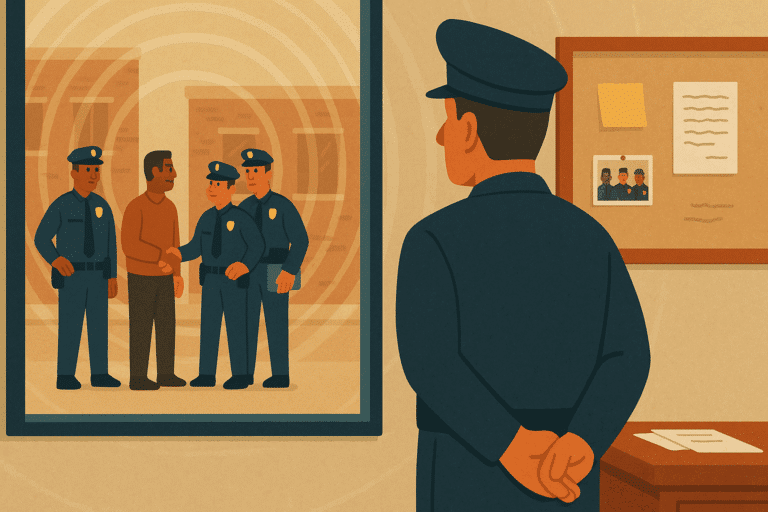
Walk into any police department or sheriff’s office and you’ll find a simple truth: chiefs and sheriffs don’t patrol the streets. They don’t clear calls. They don’t run code 3. They’re not jumping fences or writing reports after a 12-hour shift.
And yet, these leaders are ultimately responsible for the outcomes of those who do.
That can feel like a contradiction. But it’s actually a calling.
At The Curve, we often say that leadership is not about being in charge. It’s about taking care of those in your charge. That distinction matters, especially in policing, where the pressures are constant and the stakes are high.
Leadership is a Force Multiplier
A chief doesn’t serve the community directly. They serve the people who serve the community. And when they do that well, when they create an environment where officers, deputies, and professional staff feel trusted, supported, and inspired . . . everything changes.
Morale rises.
Accountability strengthens.
Trust grows, inside and outside the walls of the department.
It’s easy to default to thinking the leader has to be the most visible or the most commanding presence in the room. But the best leaders know that their role is not to be at the center. It’s to create the conditions for others to thrive.
The Real Work of a Leader
It’s not pushing down orders. It’s pulling people up.
It’s not commanding attention. It’s earning trust.
It’s not enforcing fear. It’s modeling courage.
The real work of leadership is not found in the spotlight. It’s in the behind-the-scenes decisions that shape culture:
- Who gets mentored
- Who feels safe to speak up
- Who’s rewarded (and for what)
- Who’s given the chance to grow
Great chiefs and sheriffs know that wellness isn’t a program. Culture isn’t a memo. And public trust doesn’t come from a press release. It comes from investing in people first; because when your people are thriving, your community feels it.
Leading with Purpose, Not Pressure
Some might say, “But ultimately, isn’t it the chief’s job to keep the community safe?” Not exactly. It’s their job to create an organization where everyone else can.
Safety is the byproduct of great policing. Great policing is the byproduct of great leadership. And great leadership begins with the courage to prioritize people over politics, purpose over power.
If you’re a chief or sheriff, your role is not to run the calls. Your role is to make sure your people are trained, equipped, empowered, and emotionally supported to run the calls well. Your presence sets the tone for how others lead. The culture you shape determines the culture they carry into the community.
The Leadership We Need
Our profession doesn’t need more command and control. It needs more consistency and care.
It needs leaders who:
- Know their people by name, not badge number
- Ask, “How are you doing?” and mean it
- Make decisions with the long view in mind
- Recognize that trust is built in conversations, not just in ceremonies
Because when you lead your people well, they will serve your community well.
The future of policing will not be shaped by leaders with the most authority. It will be shaped by those with the most courage to lead differently. To lead with heart. To lead with humility. To serve those who serve.
And that, in the end, is the true role of a chief or sheriff.
Keep leading forward. And never forget: when you take care of your people, your people will take care of everything else.