
Policing and the “Golden Circle” framework
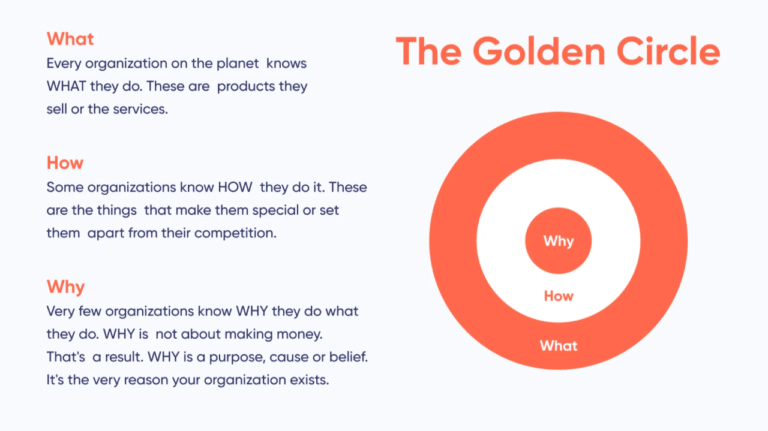
Applying Simon Sinek ‘s “Golden Circle” framework to policing can help shift the profession from a reactive, enforcement-driven mindset to a purpose-driven, trust-based model. The Golden Circle consists of three levels:
- WHY – The Core Purpose (Inspiration and Belief)
- HOW – The Process (Guiding Principles and Actions)
- WHAT – The Outcome (Tangible Actions and Services)
Start with WHY: The Purpose of Policing
Many agencies define themselves by what they do (enforce laws, make arrests), rather than why they exist. A purpose-driven approach would focus on:
- Protecting the vulnerable from harm
- Administering justice with dignity, equity, and fairness
- Building trust and fostering safe communities
This reframes policing as a service, not just a system of enforcement. Agencies that articulate their WHY—why they exist and whom they serve—create stronger public trust and internal morale.
HOW: The Principles and Methods of Policing
Once the purpose is clear, the next step is defining how police and sheriffs operate in alignment with that purpose.
- Community-Centric Policing: Building relationships before crises happen
- De-escalation & Procedural Justice: Ensuring every interaction is fair and respectful
- Transparency & Accountability: Using data, body-worn cameras, and public input
- Servant Leadership Culture: Empowering officers to be guardians rather than warriors
These methods should be intentionally designed to support the WHY, ensuring that daily policing practices don’t contradict the organization’s core purpose.
WHAT: The Visible Actions and Outcomes of Policing
Only after defining the WHY and HOW should an agency focus on WHAT it does:
- Responding to 911 calls
- Investigating crimes
- Traffic enforcement
- Public safety initiatives
However, when agencies start with the WHAT (e.g., “we make arrests” or “we issue tickets”) without a clear WHY, policing becomes transactional rather than purpose-driven.
Example of Applying the Golden Circle to Policing Leadership
Imagine a police department or sheriff’s office facing challenges with public trust. A traditional approach might focus on public relations efforts (WHAT) or implementing new training programs (HOW). But a Golden Circle approach would start with WHY:
- WHY: “We exist to protect the vulnerable and build trust with our community.”
- HOW: “We do this through relationship-based policing, transparency, and fair enforcement.”
- WHAT: “We engage with the community, use procedural justice in all interactions, and focus on problem-solving rather than punishment.”

Final Thought: Leading with Purpose
Policing must be more than just enforcing laws—it should be about upholding a purpose that communities believe in. Agencies that operate with a clear WHY will attract leaders who serve with integrity, officers who feel motivated by a higher calling, and communities that trust in their police.